What the number on the dial actually means, why the same heat feels different in a banya, and how to tell when you have had enough.
Everyone fixates on the temperature gauge, and it is genuinely one of the less useful things in the room. Humidity, bench height and how recently someone threw water on the stones all matter more than whether the dial says 80 or 90.
The normal ranges
Finnish sauna, which is what nearly every Bristol venue is: 70°C to 100°C, dry, usually 10% to 20% humidity until someone pours water on.
Russian banya: cooler, roughly 60°C to 80°C, but much wetter. Feels hotter than a Finnish sauna twenty degrees above it.
Turkish hammam or a steam room: 40°C to 50°C and basically 100% humidity. Sounds mild, and you will still be dripping in five minutes.
Infrared cabins: 45°C to 60°C. These heat you directly rather than heating the air, and whether they count as a sauna is an argument you can start in any sauna in the country.
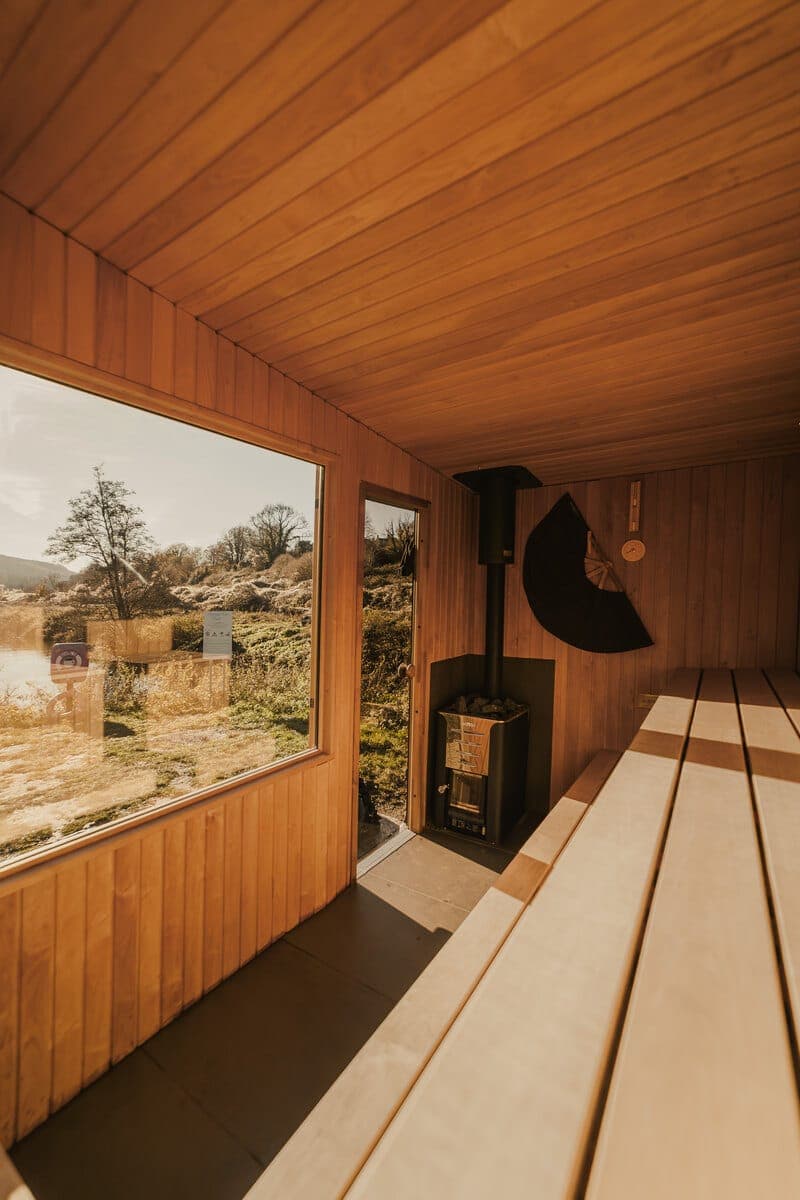
Most Bristol wood-fired saunas run 80°C to 90°C on the top bench on a good evening. The community saunas often sit a bit lower, around 75°C to 85°C, which is more comfortable for a long session with a mixed room.
Why humidity changes everything
You cool down by evaporating sweat. In dry air that works well, and 90°C is survivable for fifteen minutes. In wet air the sweat has nowhere to go, so your body loses its main cooling method and the same temperature becomes genuinely dangerous.
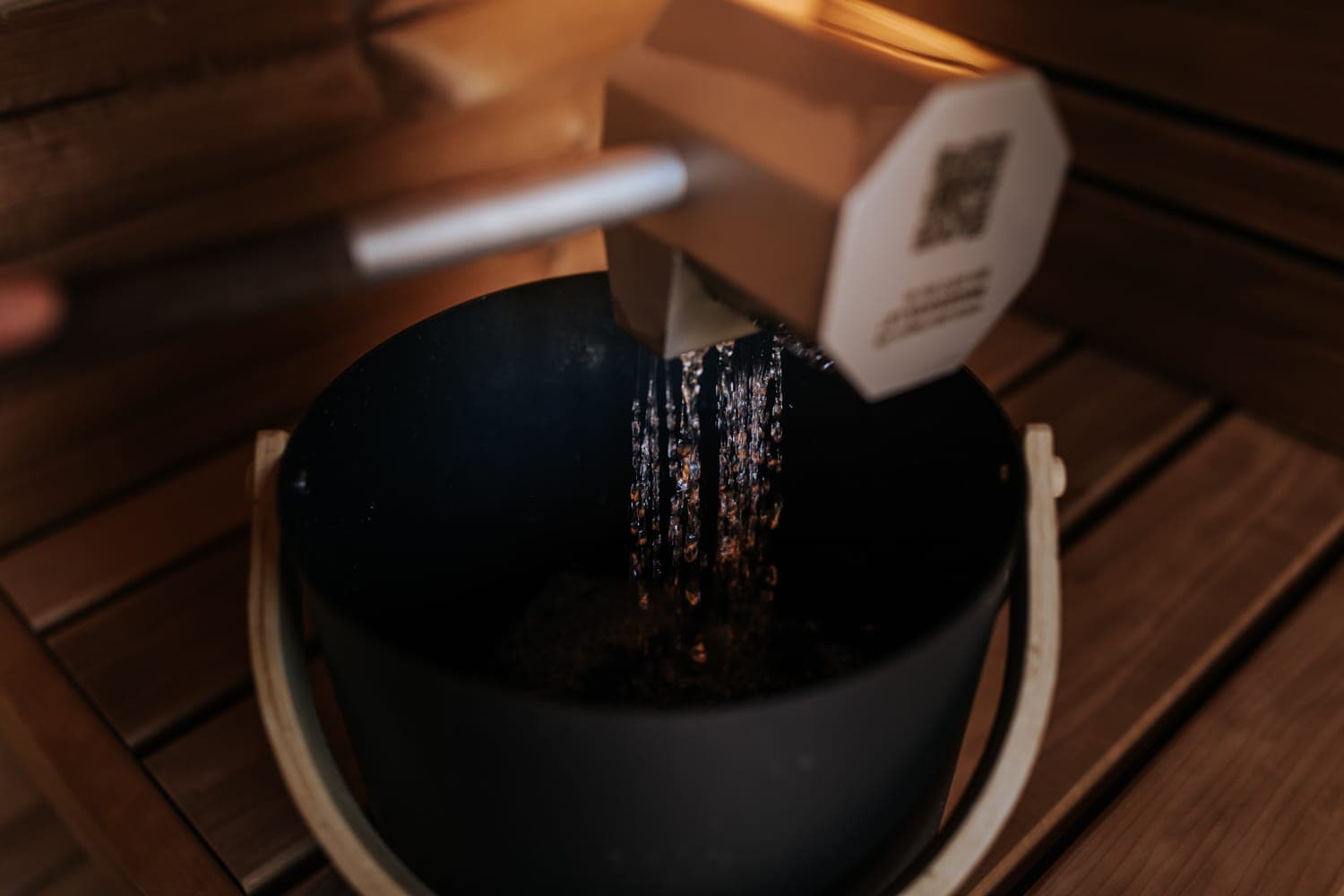
That is the whole reason a 60°C banya can feel more intense than a 90°C Finnish sauna. When someone ladles water onto the stones, humidity spikes for thirty seconds or so, and that wave of heat you feel is not the air getting hotter. It is your sweat suddenly being unable to evaporate.
The bench height thing
Hot air rises, and in a sauna it stratifies hard. The gap between the top bench and the floor can be twenty to thirty degrees.
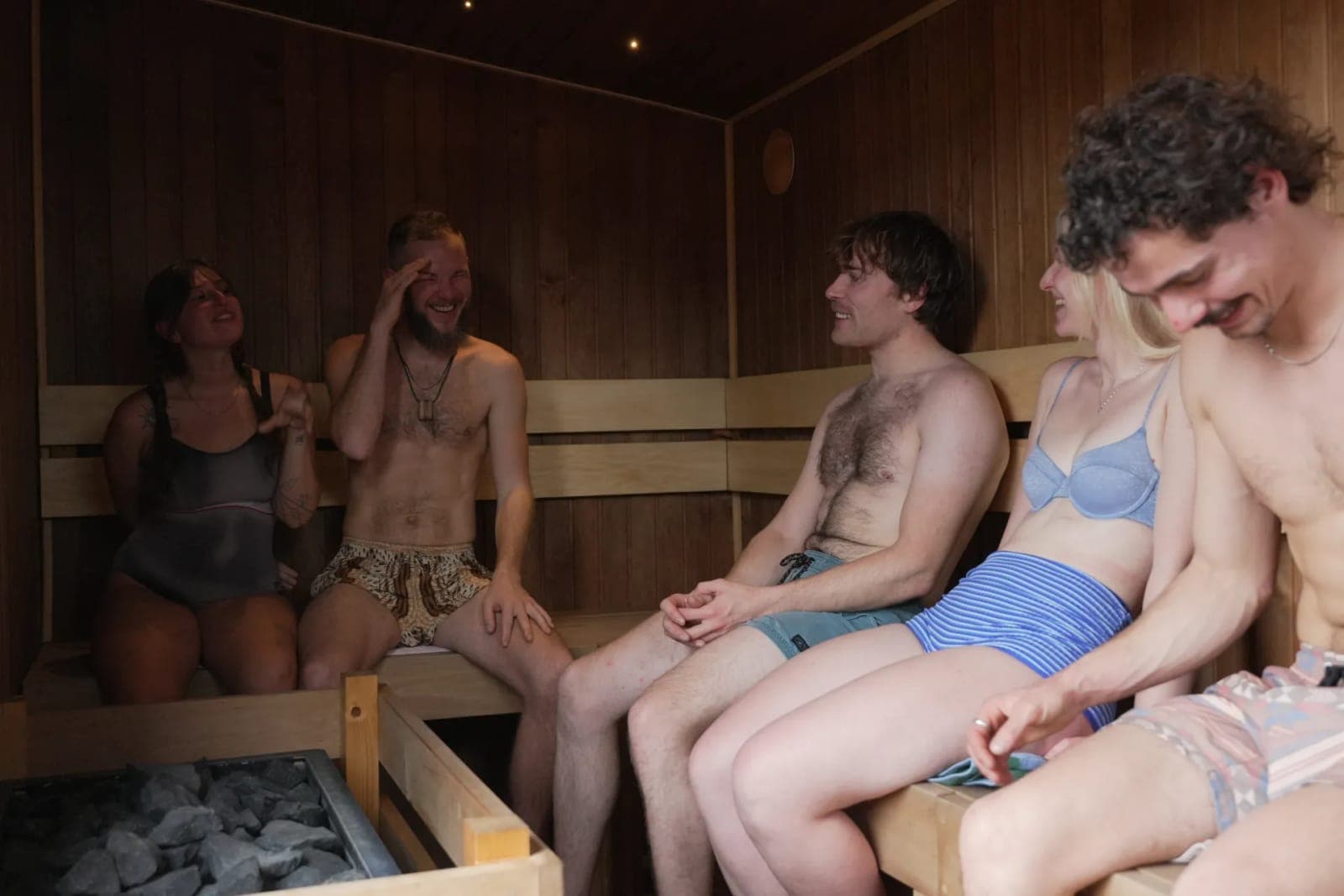
This is the single most useful thing to know as a beginner. If it is too much, move down a bench rather than leaving. If you are not getting enough, go up. Nobody will notice or care, and it is a much better solution than sitting on the top bench gripping the edge and pretending you are fine.
How long, and how to know when to stop
Ten to twenty minutes a round is normal. Three or four rounds makes a session.
The honest signals that you have had enough:
- You have stopped sweating, or sweat has gone clammy rather than free flowing
- Your heart is going faster than it should for sitting still
- You feel light-headed when you shift position
- Your skin stings rather than feeling hot
- You are counting seconds
Any of those and you are done for that round. There is no version of this where pushing through is clever. The heat is not a test.
Who should be careful
Heat puts a real load on your circulation. If you are pregnant, have a heart condition or high or low blood pressure, are on medication that affects your blood pressure, or have a history of fainting, talk to a doctor before you start, and tell the staff on the day.
Alcohol and saunas is the genuinely risky combination, and every venue in this directory will turn you away if you have been drinking. Drink water before and between rounds, not just afterwards.
What to expect in Bristol specifically
Wood-fired huts drift. The temperature at the start of a session is often lower than an hour in, and if someone has just fed the stove you can get a sharp climb. Electric rooms hold a set temperature much more steadily, which is why Bristol Community Sauna and Suvi feel more predictable session to session.
If you want it properly hot, the top bench of a wood-fired hut an hour in, with someone generous on the ladle, is as hot as anything you will find in the city. Bristol Sauna Yard and Fire & Ice both have a reputation for running hot.
Find a sauna near you
29 venues in and around Bristol, mapped with prices and booking links.
Browse the map